Catalogue Update Notice
We are continuously updating our product catalogue.
More chemicals will be added shortly.
you can also contact us for specific product inquiries.

Zinc Dust
Zinc Dust is a fine grey powder widely used in paints, coatings, and anti-corrosion applications. It offers excellent resistance against rust and is commonly used in galvanising and metallurgical processes.
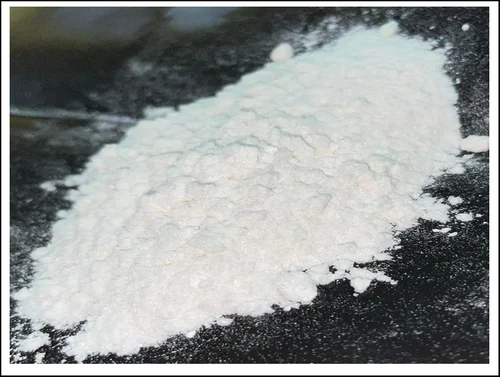
Mercuric Acetate powder
Mercuric Acetate is a white crystalline compound formed from acetic acid and mercuric oxide. It is soluble in water and alcohol, and commonly used as a reagent in organic synthesis, especially for oxymercuration reactions.
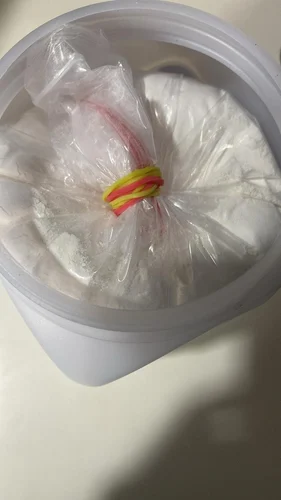
Mercury(II) chloride
Mercury(II) chloride (mercuric chloride) is a highly toxic inorganic compound used in analytical chemistry and other specialty processes. Handle with care.
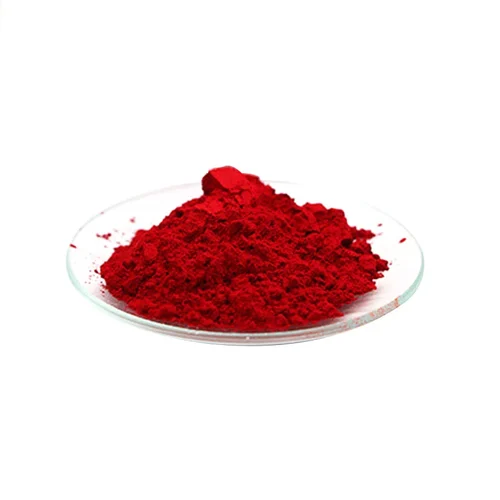
Red Mercuric Oxide
Red Mercuric Oxide is a high-purity inorganic mercury compound used primarily in electrochemistry, chemical synthesis, and battery manufacturing. It is thermally unstable and decomposes upon heating to release oxygen and mercury vapor.
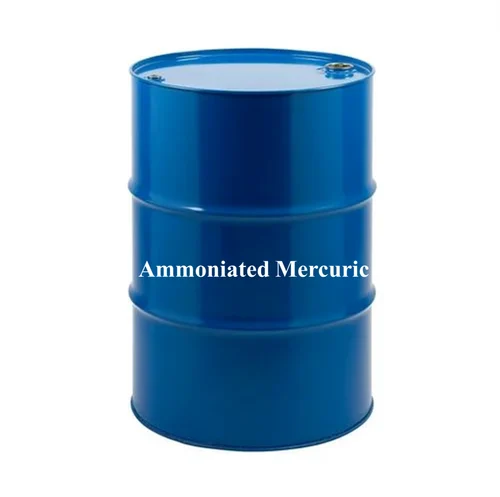
Ammoniated Mercuric Chloride
Ammoniated Mercuric Chloride is a white, odorless powder also known as White Precipitate. It is formed by the reaction of mercuric chloride with ammonia. Historically used in topical antiseptics and skin treatments, its use is now strictly limited or banned in many countries due to mercury toxicity.
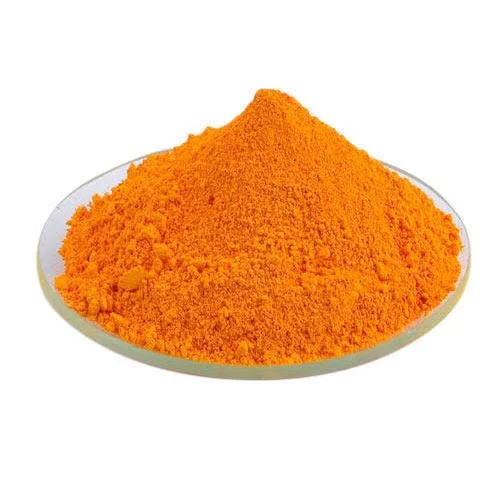
Yellow-Mercuric Oxide Powder
Mercuric Oxide (Yellow) is an inorganic compound of mercury and oxygen that appears as a bright yellow powder. It is chemically the same as orange mercuric oxide but differs in crystal structure and color due to different preparation methods.
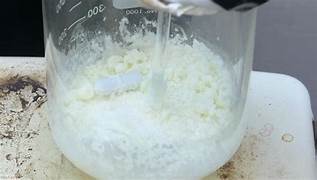
Mercuric Nitrate Monohydrate
Mercuric Nitrate is an inorganic compound of mercury and nitric acid. It is a powerful oxidizer and acidic in nature, used primarily in chemical synthesis, analytical chemistry, and metal etching.
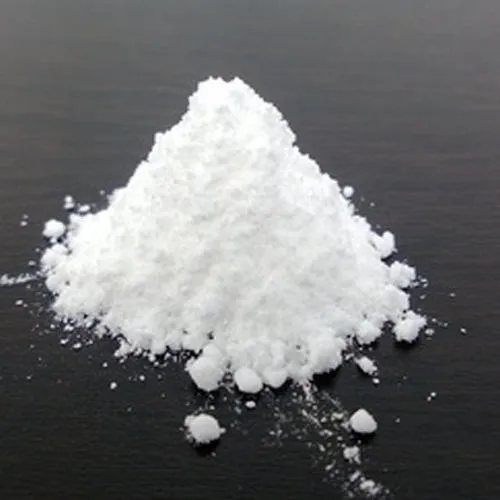
Mercuric Sulphate Powder
Mercuric Sulphate in white powder form is a highly pure, finely ground version of the inorganic mercury compound HgSO₄. Known for its high reactivity and toxicity, it must be handled with extreme care in controlled environments such as labs and industrial processes.
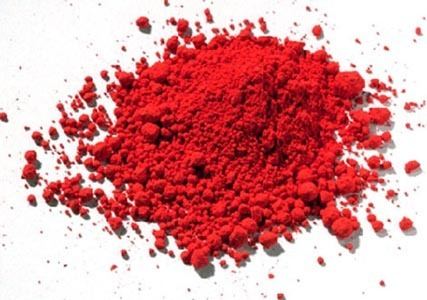
Red Mercuric Sulfide
Red Mercuric Sulfide, also known as Cinnabar or Vermilion, is a bright red, stable compound of mercury and sulfur. It occurs naturally as the mineral cinnabar, but is also synthetically produced for various applications.
Mercuric Nitrate Powder
Red Mercuric Sulfide, also known as Cinnabar or Vermilion, is a bright red, stable compound of mercury and sulfur. It occurs naturally as the mineral cinnabar, but is also synthetically produced for various applications.
Mercurous Chloride
Mercurous Chloride, commonly known as Calomel, is a white crystalline compound of mercury that is insoluble in water and light-sensitive. It is used primarily in electrochemical reference electrodes, chemical research, and historically as a medicinal agent.
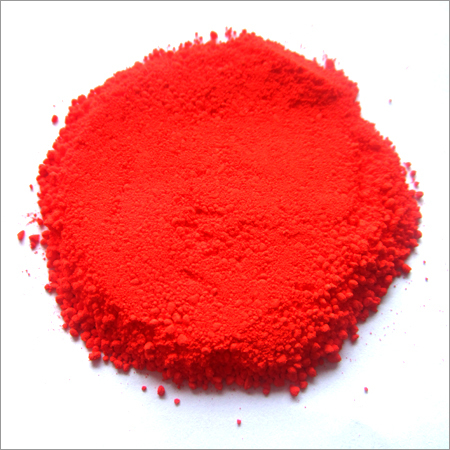
Red Mercuric Lodide
Mercurous Chloride, commonly known as Calomel, is a white crystalline compound of mercury that is insoluble in water and light-sensitive. It is used primarily in electrochemical reference electrodes, chemical research, and historically as a medicinal agent.
Zinc Picolinate Powder
Zinc Picolinate is a chelated form of zinc with picolinic acid. It is used as a dietary supplement to support immune function, skin health, and enzyme activity. The chelation with picolinic acid improves zinc absorption in the body.
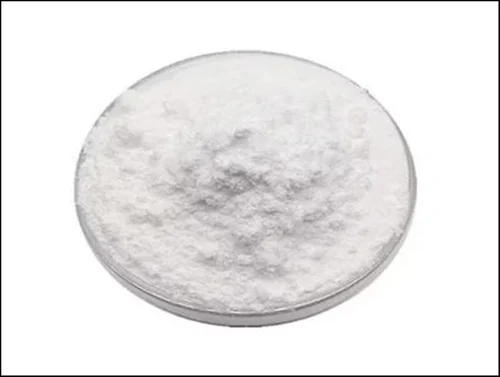
Zinc Silicofluoride
Zinc Silicofluoride, also known as Zinc Fluorosilicate, is an inorganic compound typically represented by the formula ZnSiF₆·xH₂O, where x indicates the degree of hydration (commonly 6). It usually appears as a white crystalline powder and is soluble in water.
Zinc Undecylenate
Zinc Undecylenate is a fine white powder, widely used as an antifungal and antimicrobial agent in pharmaceuticals, cosmetics, and personal care products. It is the zinc salt of undecylenic acid, a fatty acid derived from castor oil.

Zinc Sulphate Heptahydrate
Zinc Sulphate Heptahydrate is an inorganic zinc salt containing seven molecules of water; highly soluble and commonly used for zinc supplementation.

Zinc Sulphate
Zinc sulfate is a white, crystalline inorganic compound, highly soluble in water, known historically as "white vitriol," used as an essential zinc source in fertilizers, animal feed, and human dietary supplements, plus as an astringent in medicine and in industrial processes like electroplating.

Zinc Chloride
Zinc Chloride is a white crystalline inorganic compound that is highly soluble in water and alcohol. It is hygroscopic in nature and widely used in diverse industries. In the chemical sector, it serves as a flux in soldering, galvanizing, and tinning processes. It is also applied in textile processing, as a dehydrating agent, in adhesives, and as a wood preservative.

Zinc Stearate Powder
Zinc Stearate is a fine, white, hydrophobic powder that is insoluble in water and alcohol but soluble in aromatic hydrocarbons and chlorinated solvents when heated. It is widely used as a release agent, lubricant, and mold-flow aid in the plastics and rubber industries.
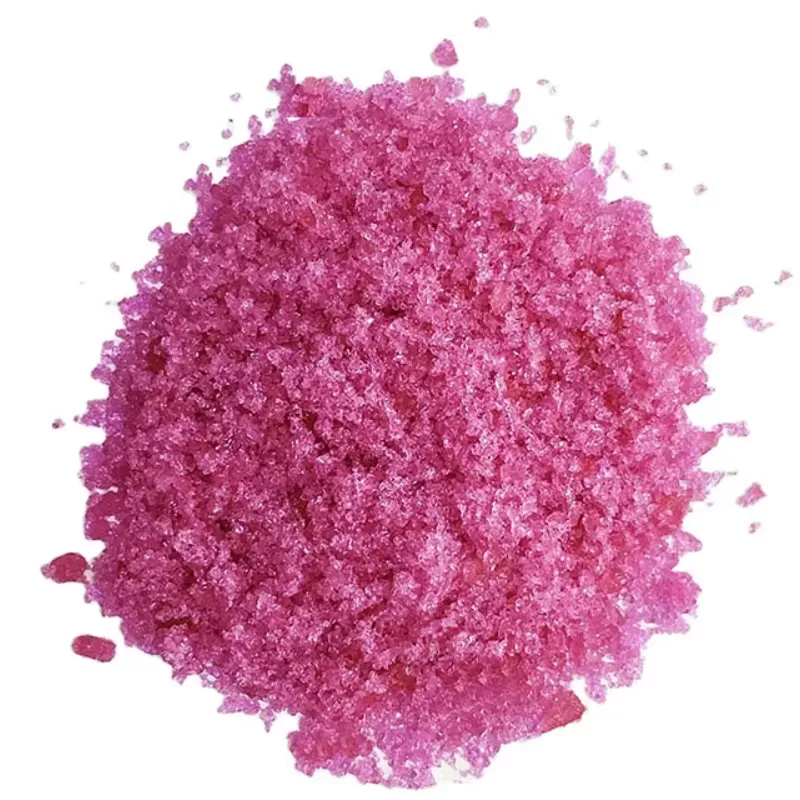
Neodymium Iii Nitrate Hexahydrate
Neodymium Nitrate Hexahydrate is a light pink to violet crystalline powder that is highly soluble in water and ethanol. It is used in the preparation of neodymium compounds, in ceramics, catalysts, magnetic materials, and advanced optical components.
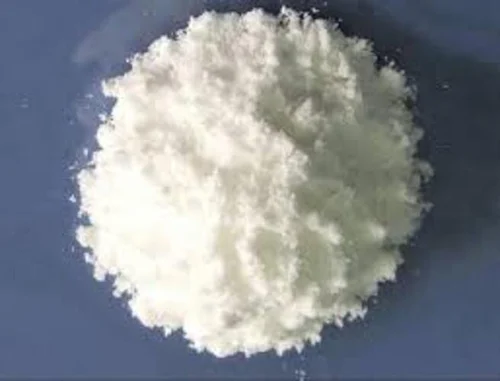
Yttrium Nitrate Hexahydrate
Yttrium Nitrate Hexahydrate is an inorganic compound with the chemical formula Y(NO₃)₃·6H₂O. It appears as a white crystalline powder that is highly soluble in water and alcohol. This compound is primarily used as a precursor in the synthesis of yttrium-based materials, such as yttrium oxide and other advanced ceramics.

Zinc Molybdate Powder
Zinc Molybdate is a white, corrosion-inhibiting pigment known for its excellent anti-rust and anti-corrosion properties. It is widely used as a non-toxic alternative to lead- and chromate-based pigments in protective coatings, especially for metal surfaces.
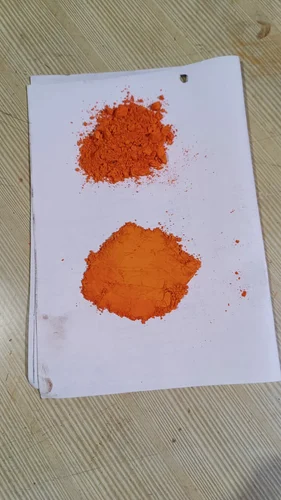
Red Lead Oxide
Red Lead Oxide, also known as Trilead Tetraoxide or Minium, is a bright red, heavy, and stable compound of lead. It is widely used in industries due to its high density, corrosion resistance, and chemical stability. Red lead is primarily used in the manufacture of lead-acid batteries, as a rust-inhibiting pigment in paints and primers, and in glass, ceramics, and explosives.
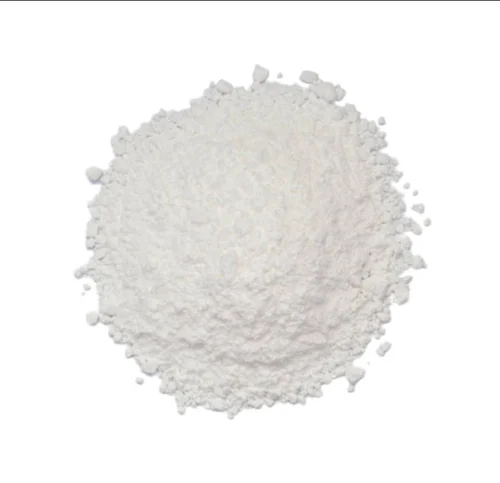
Lead Acetate Powder
Lead Acetate Powder White Crystalline Powder Application: Used as chemical reagent to manufacture other lead chemicals, desulfurization agent, gold mining and leaching.
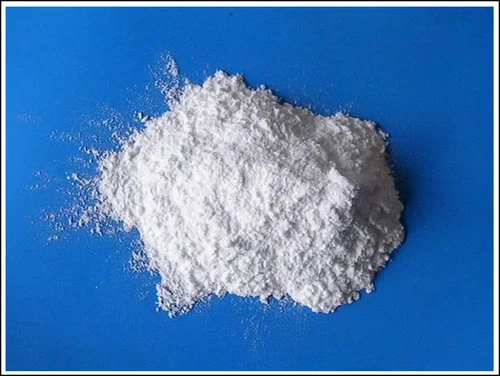
Lead Phosphate Powder
Lead(II) Phosphate (Pb₃(PO₄)₂) is a white crystalline powder, insoluble in water and alcohol but soluble in concentrated nitric acid. It is mainly used in the manufacture of specialty glasses, ceramics, and pigments, where it imparts opacity and durability.
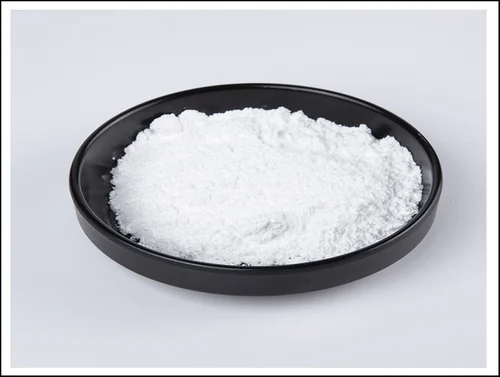
Lithium Chloride Powder
Lithium Chloride is a white, hygroscopic salt with high solubility in water and ethanol. It is used in air conditioning systems, metallurgy (as a flux), batteries, pharmaceuticals, and as a precursor in organic synthesis. It is also applied in desiccants and humidity control due to its strong affinity for water.
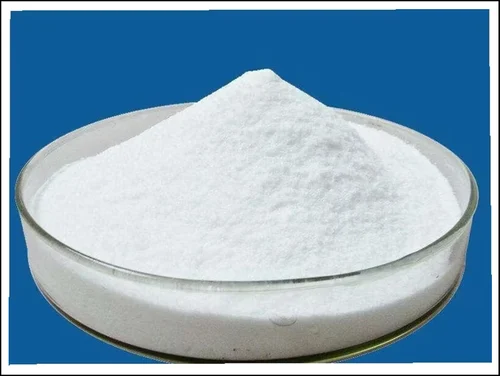
Lithium Carbonate Powder
Lithium Carbonate is an inorganic compound with the chemical formula Li₂CO₃, appearing as a white, odorless crystalline powder. It is sparingly soluble in water and insoluble in alcohol, yet it forms slightly alkaline solutions when dissolved.
Lithium Bromide 55
Lithium Bromide 55 refers to a 55% concentrated aqueous solution of Lithium Bromide (LiBr) — a clear, colorless to slightly yellow liquid known for its high hygroscopicity (ability to absorb moisture) and low vapor pressure. This specific concentration is widely used in absorption refrigeration systems, where it functions as an absorbent in LiBr–water absorption chillers for air conditioning, industrial cooling, and district energy systems.
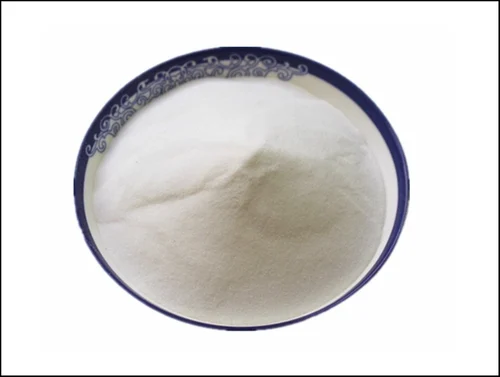
Magnesium Silicofluoride Powder
Lithium Bromide 55 refers to a 55% concentrated aqueous solution of Lithium Bromide (LiBr) — a clear, colorless to slightly yellow liquid known for its high hygroscopicity (ability to absorb moisture) and low vapor pressure. This specific concentration is widely used in absorption refrigeration systems, where it functions as an absorbent in LiBr–water absorption chillers for air conditioning, industrial cooling, and district energy systems.
Ammonium Magnesium Phosphate Hexahydrate
Ammonium Magnesium Phosphate-6-Hydrate is a hydrated inorganic phosphate salt, commonly occurring as struvite in nature. It is used in fertilizers, ceramics, and wastewater treatment processes.
Magnesium Stearate Powder
Magnesium Stearate is a fine, white, lightweight powder composed of magnesium and stearic acid, with the chemical formula C₃₆H₇₀MgO₄. It is widely used as a lubricant, anti-adherent, and flow agent in the pharmaceutical, cosmetic, and food industries.
Manganese Dioxide Powder
Manganese Dioxide is a black or brown solid used widely as an oxidizing agent, catalyst, and pigment. It naturally occurs as the mineral pyrolusite and is manufactured for a variety of industrial and laboratory applications. Its strong oxidative properties make it essential in batteries, ceramics, glass manufacturing, and chemical synthesis.
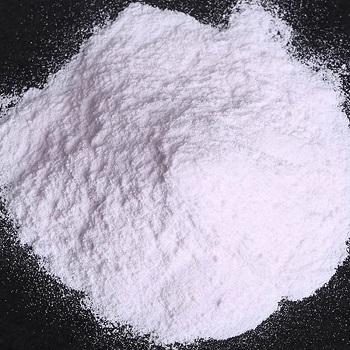
Manganese Sulphate
Manganese sulfate (MnSO₄) is a commercially vital inorganic salt, usually seen as a pale pink or white crystalline solid (MnSO₄·H₂O), crucial for agriculture (fertilizers, animal feed) to supply essential manganese for plant/animal health, and in industry for producing other manganese compounds like manganese dioxide.
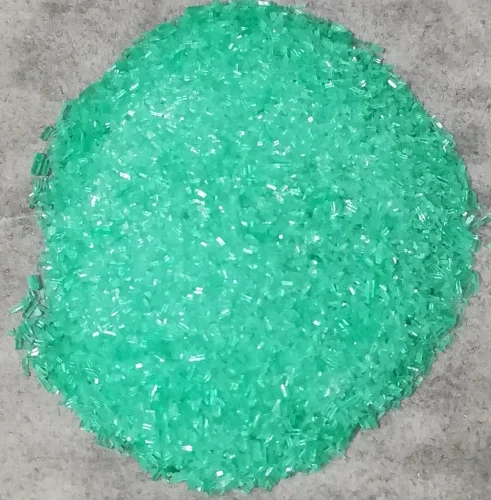
Nickel Acetate
Nickel Acetate is a green crystalline compound with the chemical formula Ni(CH₃COO)₂·4H₂O, commonly referred to as Nickel(II) Acetate Tetrahydrate. It is highly soluble in water and alcohol, and is widely used in electroplating and surface treatment applications, particularly in the sealing of anodized aluminum to enhance corrosion resistance.
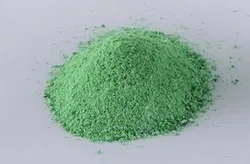
Nickel Carbonate
Nickel Carbonate is an inorganic compound with the chemical formula NiCO₃, typically appearing as a pale green crystalline or powdery solid. It is poorly soluble in water but readily reacts with acids, releasing carbon dioxide and forming various nickel salts.
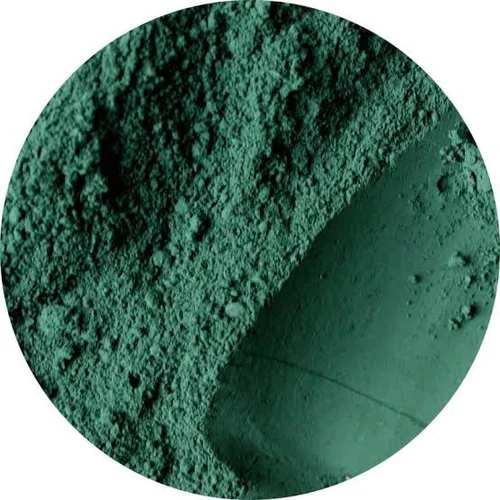
Nickel Dibutyl Dithiocarbamate
Nickel Dibutyl Dithiocarbamate is a nickel organosulfur compound widely used as a stabilizer, antioxidant, and accelerator in rubber and polymer industries. It protects polymers against heat, oxygen, and metal-catalyzed degradation.Nickel Dibutyl Dithiocarbamate is a nickel organosulfur compound widely used as a stabilizer, antioxidant, and accelerator in rubber and polymer industries. It protects polymers against heat, oxygen, and metal-catalyzed degradation.
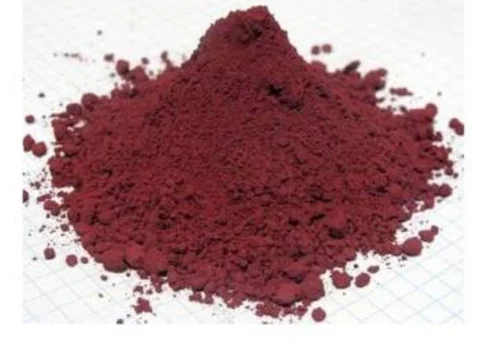
Red Phosphorous
Red Phosphorus is an amorphous, non-toxic, and more stable allotrope of phosphorus, widely used in safety matches, fireworks, pyrotechnics, smoke devices, and as a flame retardant.
Phosphorous Oxychloride
Phosphorous Oxychloride (POCl₃) is a phosphorus oxohalide, a reactive inorganic compound used as a chlorinating agent and intermediate in the synthesis of organophosphorus compounds. It is commonly applied in the production of pesticides, flame retardants, plasticizers, and phosphate esters.
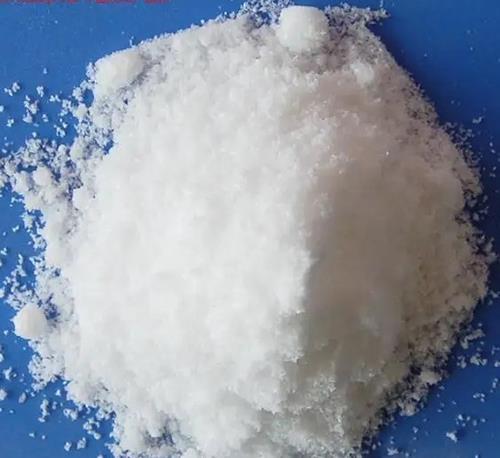
Phosphorous Pentoxide
Phosphorous Pentoxide is a powerful dehydrating and desiccating agent, widely used as a drying agent for gases and liquids, in organic synthesis for dehydration reactions, and in the preparation of phosphoric acid and phosphate esters.
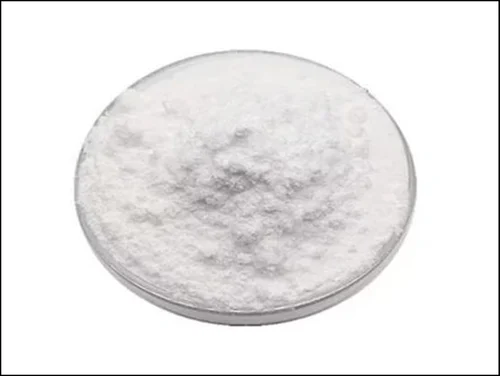
Potassium Pentaborate
Potassium Pentaborate is an inorganic borate compound with the chemical formula K₂B₁₀O₁₆·xH₂O, typically appearing as a white crystalline powder. It is soluble in water and exhibits good thermal and chemical stability.
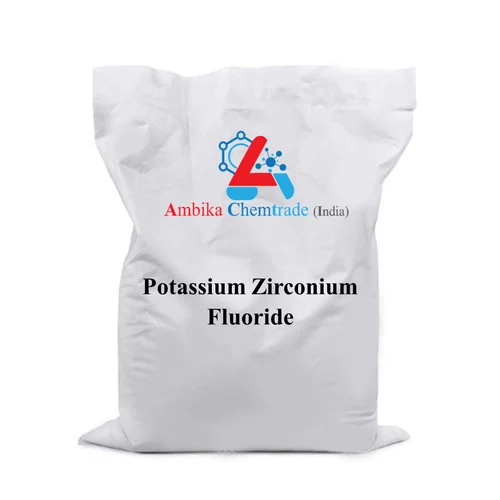
Potassium Zirconium Fluoride
Potassium Zirconium Fluoride, also known as Dipotassium Hexafluorozirconate, is an inorganic compound with the chemical formula K₂ZrF₆. It typically appears as a white or colorless crystalline powder and is insoluble in alcohol but slightly soluble in water.
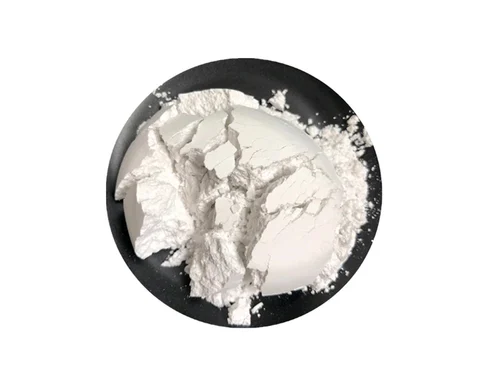
Potassium Sodium Tartrate
Potassium Sodium Tartrate, commonly known as Rochelle Salt, is a double salt of tartaric acid. It appears as a crystalline powder and is widely used in various industrial, pharmaceutical, and laboratory applications. Its strong complexing and buffering properties make it valuable in metal plating and as a reagent in analytical chemistry.
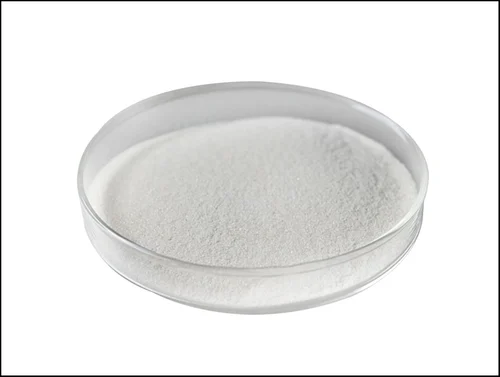
Sodium Borohydride Powder
Sodium Borohydride is a powerful reducing agent widely used in organic synthesis, pharmaceuticals, and as a reducing agent for metal salts. It reacts vigorously with water, releasing hydrogen gas.
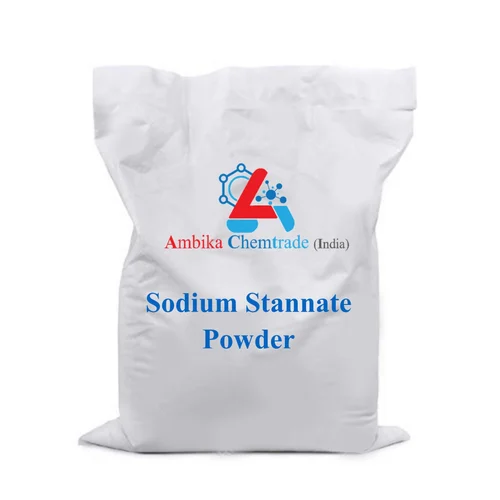
Sodium Stannate Powder
Sodium Stannate is a white to off-white crystalline powder that is soluble in water and forms an alkaline solution. It is commonly used as a stabilizer for hydrogen peroxide, a corrosion inhibitor, and a metal surface treatment agent, especially in electroplating and tin-based coatings.
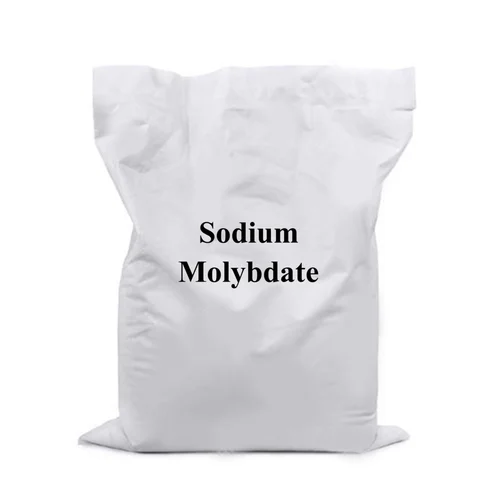
Sodium Molybdate Powder
Sodium Molybdate is a white, water-soluble inorganic compound commonly used in a variety of industrial, agricultural, and laboratory applications. It serves as a source of molybdenum, an essential micronutrient for plants and animals. The dihydrate form is the most commonly used and supplied.
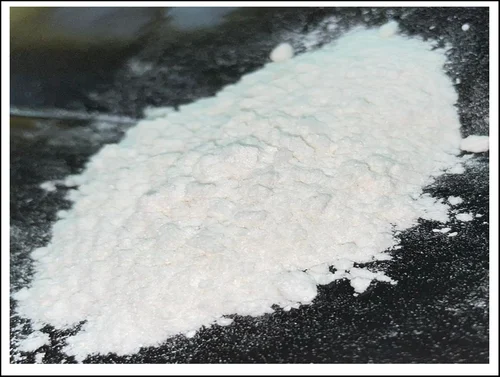
Tin Sulphate Stannous Sulphate
Tin(II) Sulphate, commonly known as Stannous Sulphate, is a white to off-white crystalline powder that is moderately soluble in water and acidic solutions. It is an important inorganic tin salt used primarily in electroplating baths, where it provides a source of tin ions for depositing smooth, corrosion-resistant tin coatings.
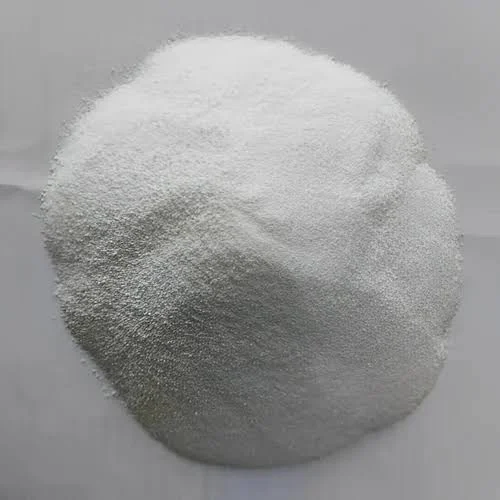
Tin Chloride Powder
Tin Chloride, typically referring to Stannous Chloride Dihydrate, is a white to off-white crystalline solid that is soluble in water, ethanol, and hydrochloric acid. It is used widely in electroplating, tin-based catalysts, textile dyeing, and as a reducing agent in both laboratory and industrial chemical reactions.
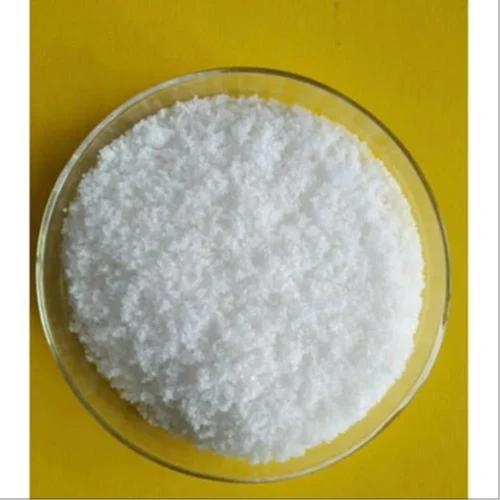
Resorcinol
Resorcinol is a white to faintly pink crystalline solid with a mild, sweet odor. It is a dihydroxy benzene derivative and acts as a versatile chemical intermediate. Resorcinol is highly soluble in water, alcohol, and ether. It is primarily used in the production of resins, UV absorbers, dyes, pharmaceuticals, and rubber compounds.
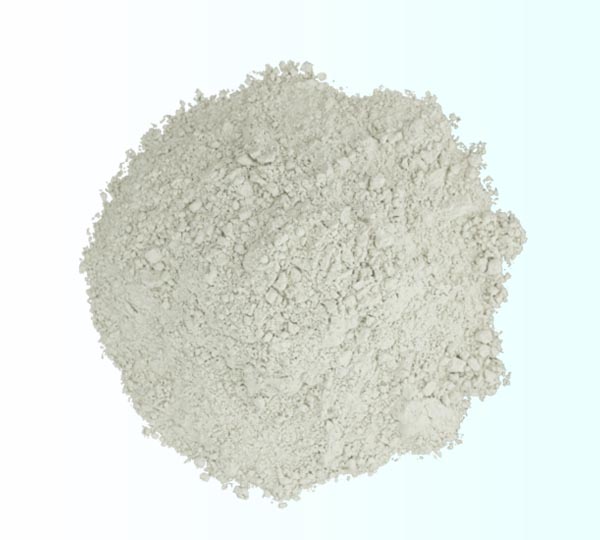
Potassium Titanium Fluoride
Potassium Titanium Fluoride, also known as potassium hexafluorotitanate or potassium fluorotitanate, is an inorganic compound with the chemical formula K₂TiF₆.
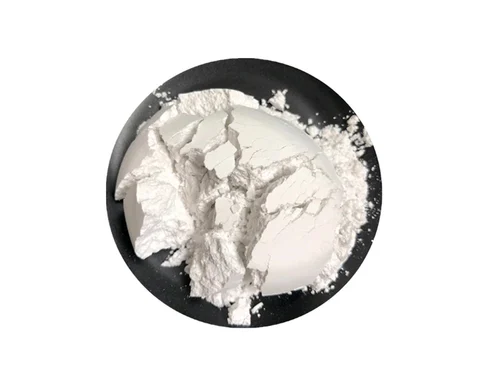
Titanium Dioxide Powder
Titanium Dioxide (TiO₂) is a white, odorless, and non-toxic powder known for its high brightness, opacity, and UV resistance. It exists primarily in two crystalline forms: Rutile and Anatase, with rutile being more stable and preferred for outdoor applications due to better UV durability.
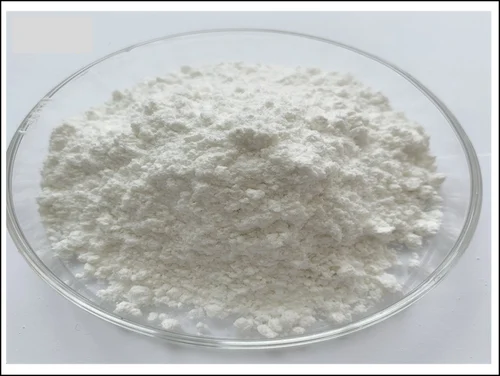
Zirconium Basic Carbonate
Zirconium Basic Carbonate is a white, amorphous powder with the general chemical formula Zr(OH)₂CO₃·xH₂O. It is an insoluble, water-insensitive compound often used as an intermediate in the production of high-purity zirconium dioxide (ZrO₂) through thermal decomposition.
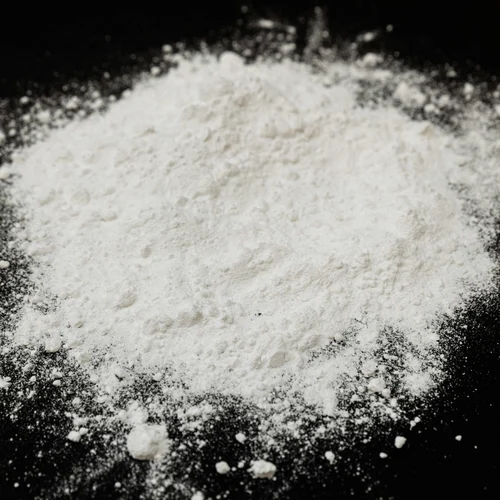
Zirconium Oxide Powder
Zirconium Oxide, also known as Zirconia (chemical formula: ZrO₂), is a high-performance ceramic material widely used in various industrial and technological applications. It is a white, odorless powder that is highly resistant to heat, corrosion, and mechanical wear.

Zirconium Nitrate Powder
Zirconium Nitrate Powder is an inorganic compound with the chemical formula Zr(NO₃)₄. It typically appears as a white to off-white crystalline powder that is highly soluble in water and alcohol. This compound is primarily used as a source of zirconium in chemical synthesis and materials processing.
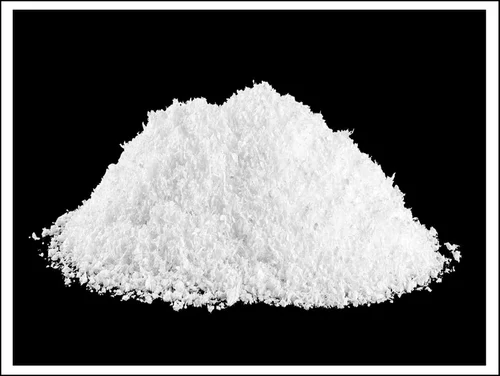
Aluminum Acetylacetone Powder
Aluminum Acetylacetonate is a white to slightly off-white crystalline powder or solid complex of aluminum with acetylacetone. It is widely used as a chemical precursor in the production of alumina thin films, ceramic coatings, and aluminum-containing catalysts. This compound is also used in sol-gel processing, polymerization catalysts, and in the production of advanced materials like nanocomposites.
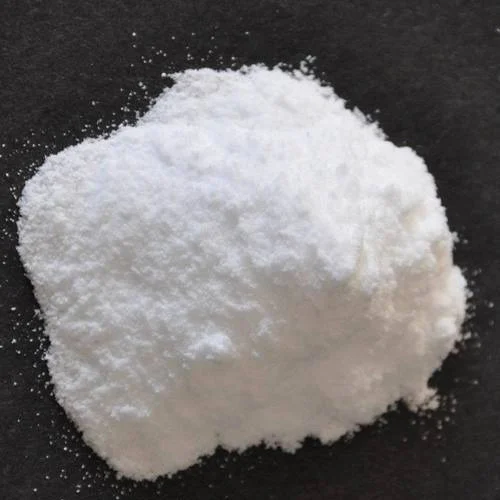
Aluminium Fluoride
Aluminium Fluoride (AlF₃) is a white crystalline inorganic compound widely used in the aluminium industry. Its primary application is as a flux in the electrolytic production of aluminium, where it lowers the melting point of alumina and improves conductivity in molten salts.
Tetrabutylammonium Benzoate Powder
Tetrabutylammonium Benzoate is a quaternary ammonium salt in which the tetrabutylammonium cation is paired with a benzoate anion. It is widely used as a phase-transfer catalyst, in organic synthesis, and in reactions requiring soluble salts of carboxylates. Its solubility in organic solvents makes it suitable for facilitating reactions between immiscible phases.
Ammonium Molybdate
Ammonium Molybdate is a white crystalline compound widely used as a source of molybdenum in various chemical processes. It is highly soluble in water and forms a clear solution, making it suitable for use in ceramics, catalysts, reagent-grade laboratory applications, corrosion inhibitors, and fertilizer micronutrients.
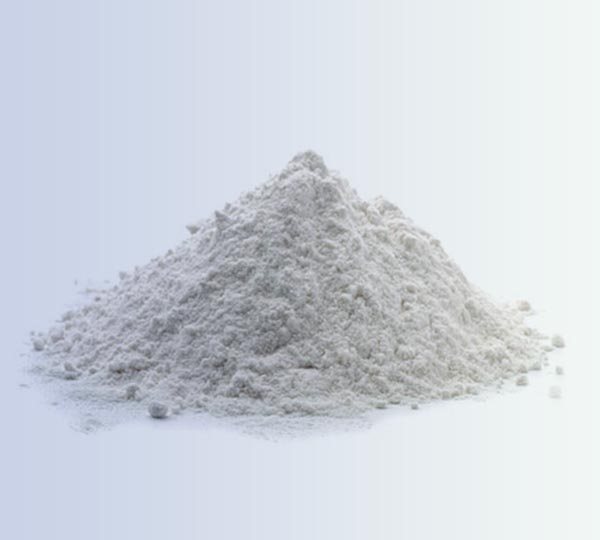
Ammonium Metavanadate
Ammonium Metavanadate is a yellow to off-white crystalline inorganic salt of vanadium. It is sparingly soluble in cold water but more soluble in hot water and acidic solutions. This compound is a common precursor to other vanadium compounds and is widely used in analytical chemistry, metallurgy, ceramics, and as a catalyst in various industrial processes.
Antimony Tri Fluoride
Antimony Trifluoride (SbF₃) is an inorganic compound of antimony and fluorine, where antimony is in the +3 oxidation state. It is best known as Swart’s reagent, widely used in chemical synthesis for introducing fluorine atoms into organic molecules.

Antimony Triiodide
Antimony(III) Iodide (SbI₃) is a bright red-orange crystalline solid, known for its vivid color and sensitivity to light and moisture. It is insoluble in water but dissolves in organic solvents and concentrated acids. Antimony iodide is mainly used in chemical analysis, as a reagent for detecting alkaloids, and in the preparation of specialty glasses and advanced materials.
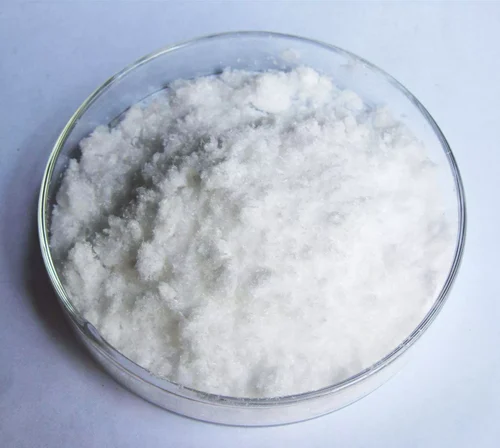
Barium Fluoride
Barium Fluoride is an inorganic compound with the chemical formula BaF₂, appearing as a white crystalline solid. It is highly stable and insoluble in most solvents, though it has limited solubility in water. Known for its excellent optical properties, Barium Fluoride is widely used in optics and photonics, especially in applications requiring materials that transmit infrared and ultraviolet light.
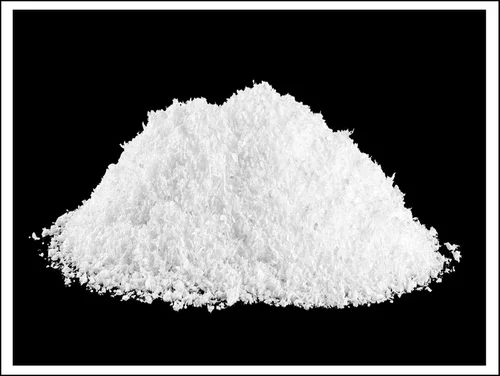
Bismuth Acetate
Bismuth Acetate [Bi(CH3COO)3] is a white to off-white crystalline compound that is moderately soluble in water and organic solvents. It is widely used as a laboratory reagent and as a precursor for preparing other bismuth-based compounds. In industry, bismuth acetate is applied in the production of pharmaceuticals, specialty chemicals, and catalysts.
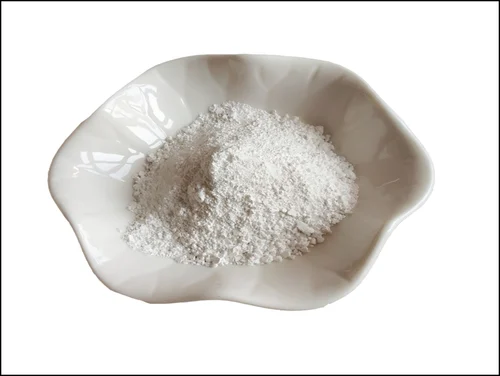
Bismuth Phosphate
Bismuth Phosphate (BiPO₄) is a white crystalline inorganic compound that is insoluble in water but soluble in strong acids. It is mainly used as a precursor for producing other bismuth compounds and in specialty chemical formulations. In materials science, bismuth phosphate has been studied for its photocatalytic properties, making it useful in environmental and energy-related research.
Bismuth Nitrate Pentahydrate
Bismuth Nitrate Pentahydrate [Bi(NO₃)₃·5H₂O] is a white crystalline inorganic compound that is soluble in water, acids, and alcohol. It is mainly used as a precursor for manufacturing other bismuth salts and compounds. In the pharmaceutical sector, it is applied in formulations for gastrointestinal treatments.
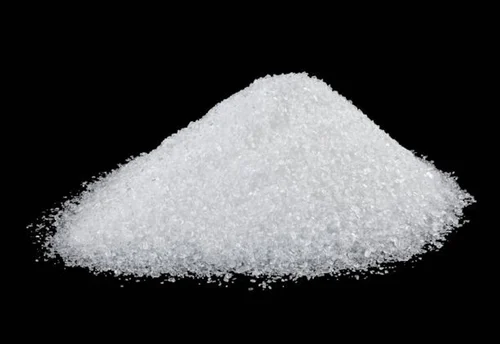
Calcium Tungstate
Calcium Tungstate is an inorganic compound that appears as a white crystalline powder. It is best known for its strong luminescent properties under X-rays and ultraviolet light, making it useful in fluorescent lamps, scintillators, and X-ray screens. It is also used in optical materials, pigments, ceramics, and certain laser applications.
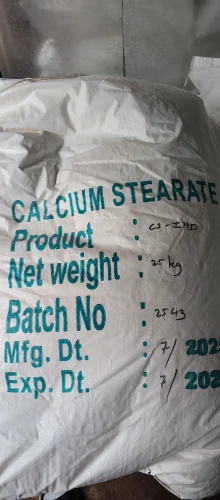
Calcium Stearate
Calcium stearate is a calcium salt of stearic acid, a long-chain fatty acid. It appears as a white, waxy powder and is widely used as a lubricant, release agent, stabilizer, and water repellent in various industries.
Calcium Fluoride Synthetic
Calcium Fluoride Synthetic, with the chemical formula CaF₂, is a high-purity, white crystalline powder manufactured through chemical processes rather than mined from natural sources. It is valued for its low refractive index and high optical transparency in the ultraviolet, visible, and infrared spectrums, making it essential in the production of lenses and windows for optical instruments, lasers, and UV spectroscopy.
Cobalt Chloride Anhydrous
Cobalt Chloride Anhydrous is a deep blue, crystalline inorganic compound with the chemical formula CoCl₂. It is the water-free form of cobalt chloride and is highly hygroscopic, meaning it readily absorbs moisture from the air. Upon hydration, it converts to the pink-colored hexahydrate form (CoCl₂·6H₂O), making it a widely used moisture indicator in desiccants and drying agents.
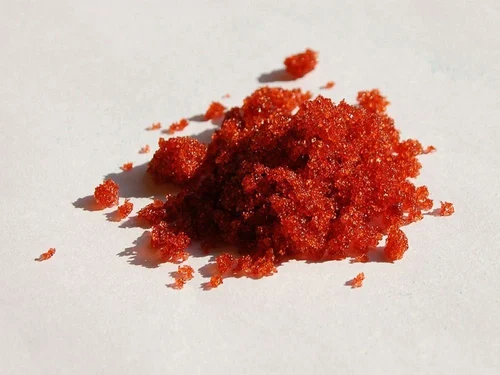
Cobalt Nitrate Hexahydrate
Cobalt Nitrate Hexahydrate is an inorganic compound with the chemical formula Co(NO₃)₂·6H₂O. It appears as a red to pink crystalline solid that is highly soluble in water and alcohol. This compound is widely used as a source of cobalt ions in various industrial and laboratory applications.
Cobalt Phosphate
Cobalt Phosphate (Co3(PO4)2) is an inorganic compound that typically appears as a pink to reddish crystalline powder. It is insoluble in water and known for its stability and coloring properties. Cobalt phosphate is widely used as a pigment in ceramics, glass, and paints, giving durable blue to violet shades.
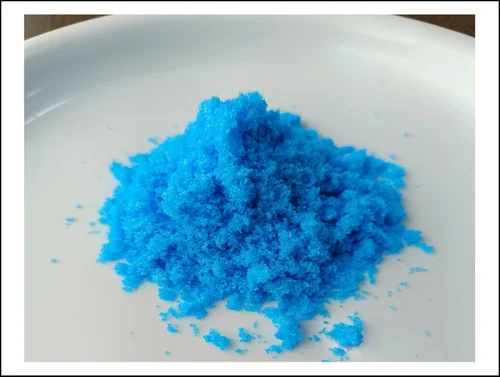
Copper Hydroxide Stabilized
Copper Hydroxide Stabilized [Cu(OH)₂] is a fine, bluish-green crystalline powder stabilized to enhance storage life and performance. It is widely used in agriculture as a fungicide and bactericide to protect crops from fungal and bacterial infections. In the chemical industry, stabilized copper hydroxide is applied in pigments, ceramics, and as an intermediate for producing other copper compounds.
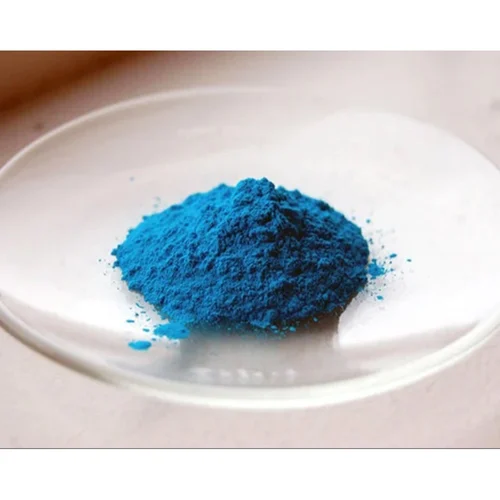
Copper Acetate
Copper Acetate Powder is a dark green to bluish crystalline solid with a slight acetic odor. It is the copper salt of acetic acid and is commonly used in laboratory research, chemical synthesis, and as a catalyst in various industrial applications. The powder is moderately soluble in water and alcohol, forming blue-green solutions.
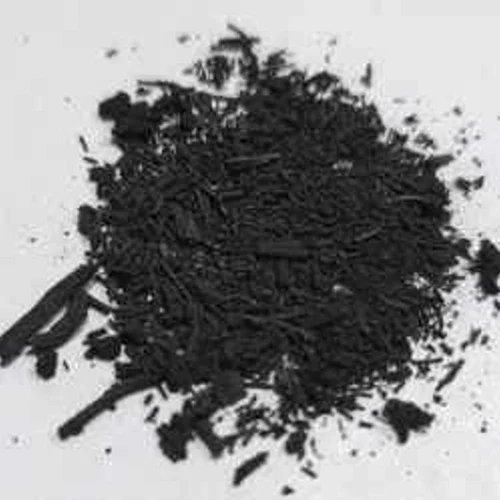
Copper Oxide
Copper Oxide Powder is a fine, black to dark brown powder known for its excellent stability and thermal conductivity. It exists mainly in two forms: CuO (Copper(II) Oxide) and Cu₂O (Copper(I) Oxide) — but CuO is more commonly used in industrial and laboratory applications. It is insoluble in water but reacts with acids and ammonia solutions.
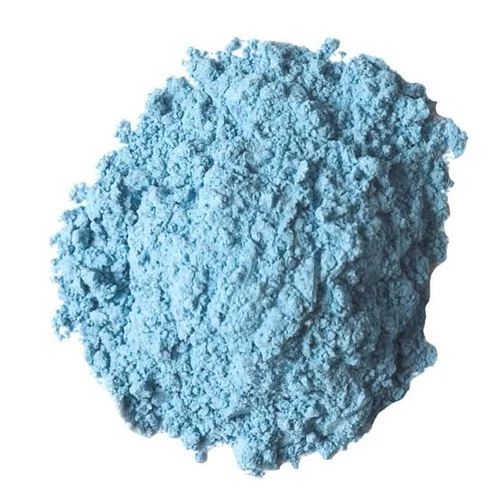
Copper Hydroxide
Copper Hydroxide is a fine, bluish-green inorganic compound widely used in agriculture as a fungicide, in chemical industries as an intermediate, and in laboratories for analytical purposes. It is insoluble in water but reacts with acids and strong bases. Copper Hydroxide is also a key raw material for producing other copper-based compounds.
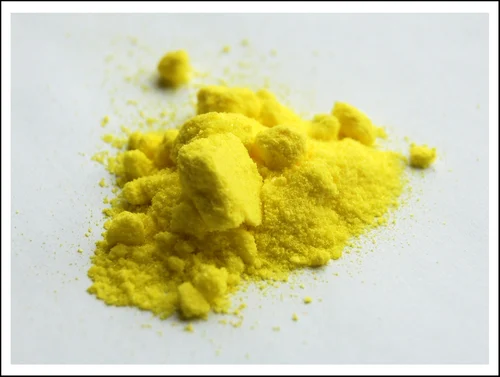
Silver Carbonate
Silver Carbonate (Ag₂CO₃) is a light yellow, fine powder known for its sensitivity to light and heat. It is used primarily as a reagent in organic synthesis, especially in reactions involving oxidation and as a mild base. One of its notable applications is in the preparation of silver-based conductive pastes for electronic components and in the manufacture of silver mirrors through chemical reduction processes.
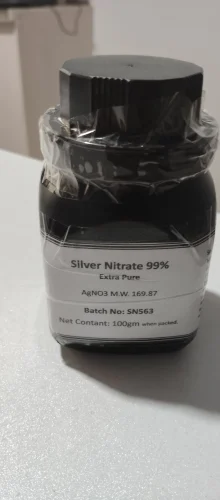
Silver Nitrate
Silver nitrate is a highly reactive and light-sensitive inorganic compound of silver and nitric acid. It is one of the most important silver salts used in chemistry and industry. Unlike elemental silver, silver nitrate is highly soluble in water, making it ideal for chemical reactions and applications requiring silver ions.
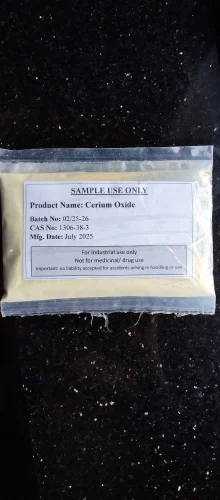
Cerium Oxide
Cerium Oxide is a high-performance rare earth oxide widely used for its excellent polishing, catalytic, and UV absorption properties. It is renowned for its ability to polish glass and optical components to a high gloss, making it the industry standard in precision glass polishing applications.
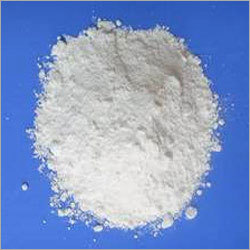
Zirconium Basic Sulphate
Zirconium Basic Sulphate is an inorganic compound with the general formula Zr(SO₄)₂·xZrO₂·xH₂O, typically appearing as a white to off-white powder or paste. It is partially soluble in water and often supplied as a slurry or wet solid. This compound is used primarily as a precursor for zirconia-based materials and plays an important role in the catalyst, ceramic, and coating industries.
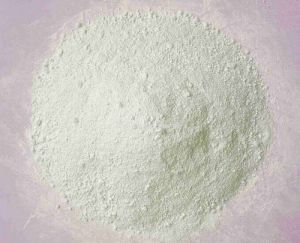
Zirconium Sulphate
Zirconium sulphate (Zr(SO₄)₂) is a versatile, white crystalline chemical used widely in leather tanning, as a catalyst, pigment stabilizer, and in water treatment, acting as a precursor for other zirconium compounds like TiO₂. It exists as anhydrous or hydrated forms and is water-soluble, forming acidic solutions, known for its use in producing high-temp lubricants and textiles.
Zirconium Ortho Sulphate
Zirconium Ortho Sulphate is a white, water-soluble inorganic compound used in leather tanning, textiles, ceramics, and as a catalyst or precursor for other zirconium chemicals. It's a stable, non-flammable powder, typically sold in various grades, that functions as a tanning agent, pigment stabilizer, and helps precipitate proteins and amino acids.
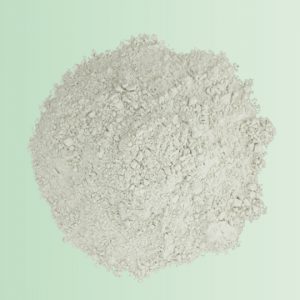
Zirconium Hydroxide
Zirconium Hydroxide Zr(OH)₄, is a white, amorphous or slightly crystalline powder that serves as an important intermediate in the production of various zirconium-based compounds. It is produced typically by precipitating zirconium salts with alkali solutions. Zirconium hydroxide is known for its high surface area, chemical stability, and excellent adsorption properties.
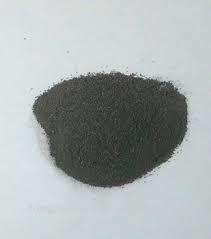
Zirconium Hydrate
Zirconium hydrate refers to various hydrated compounds of Zirconium (Zr), often appearing as grayish powders, used as precursors for high-tech ceramics (dental, refractories), catalysts, abrasives, and in textiles/paper; common forms include Zirconium Hydroxide (often gray/black, insoluble in water), Zirconium Oxide Hydrate (ZrO(OH)2/Zr(OH)4, used for zirconia), and Zirconium Oxynitrate Hydrate (soluble, precursor for zirconia catalysts), all vital in industries needing high thermal stability and chemical resistance.
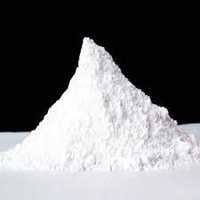
Zirconium Citrate
Zirconium Citrate is a versatile zirconium salt used in chemicals, ceramics, and drilling fluids, known for its thermal stability and biodegradability, acting as a dispersant or catalyst support, and even explored for targeted drug delivery due to its chelating ability, offering a greener alternative to chromium-based chemicals in high-temp applications.
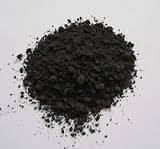
Zirconium Lactate
Zirconium lactate is a chemical compound primarily known as the zirconium salt of lactic acid. It is widely used in industrial applications, particularly as a high-performance cross-linking agent in the energy and manufacturing sectors.
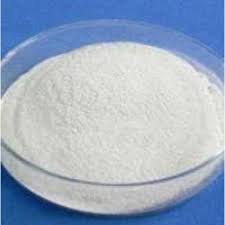
Potassium Zirconium Hexafluoride
Potassium Zirconium Hexafluoride is a white, crystalline powder used in making metallic zirconium, as a grain refiner in aluminum/magnesium alloys, and in ceramics, glass, and welding fluxes; it's slightly soluble in water, has a high melting point, and serves as a catalyst in some chemical processes, though it poses environmental and health risks like irritation if inhaled or ingested.
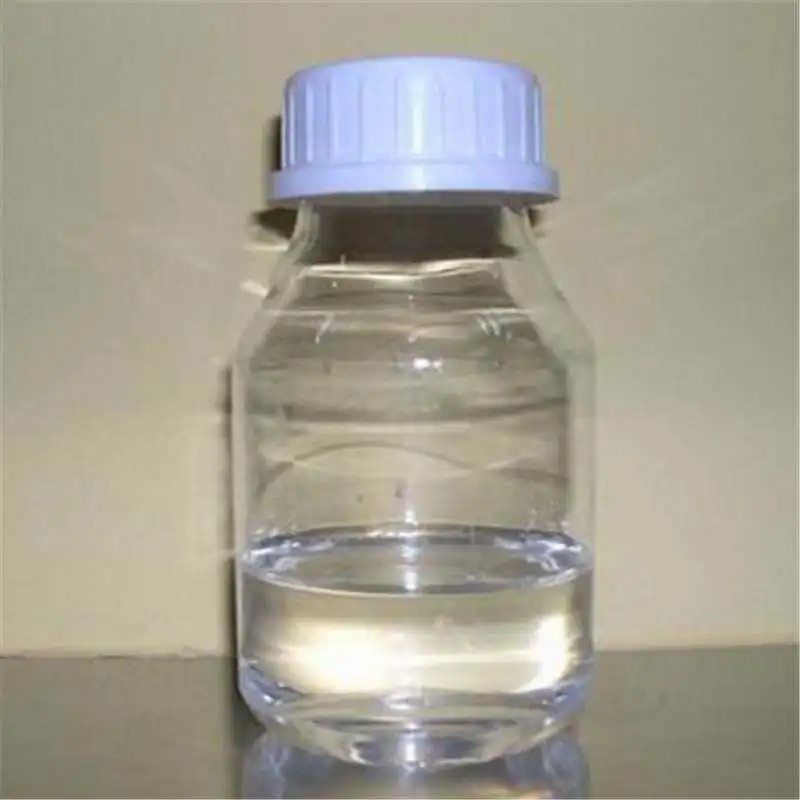
Zirconium Acetate Solution
Zirconium Acetate Solution is a clear, acidic, water-soluble chemical solution containing hydroxy-bridged zirconium polymers, widely used as a precursor for zirconia materials, a crosslinking agent (waterproofing, textiles, paints), catalyst, and in specialty applications like antiperspirants and inks, valued for its stable, reactive Zr source in aqueous systems for creating coatings, catalysts, and functional materials. It's available in various concentrations, from moderate to highly concentrated forms, often with adjustable purity.
Zirconyl Nitrate
Zirconyl nitrate (ZrO(NO₃)₂) often found as a hydrate, used as a precursor for other zirconium chemicals, catalysts, and advanced materials, known for its high water/alcohol solubility and as a source of zirconium in acidic, nitrate-compatible applications, requiring careful handling as an oxidizer.
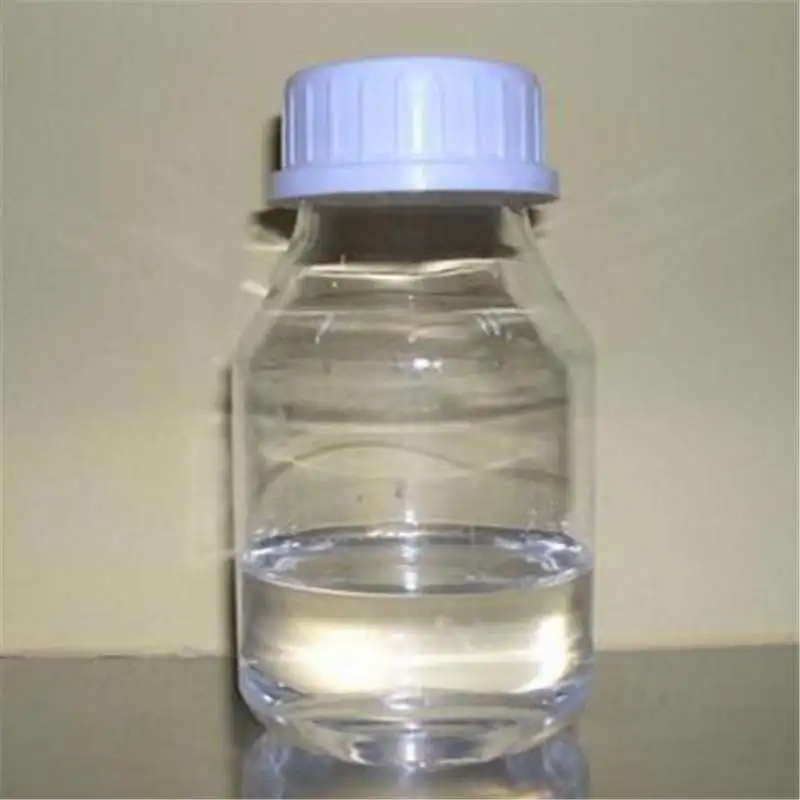
Zirconium Nitrate Solution
Zirconium Nitrate Solution (or Zirconyl Nitrate) is a clear, acidic liquid, often brown-tinted, used across industries as a catalyst, precursor for zirconium compounds, in pigments/coatings, ceramics, leather tanning, and for producing advanced materials like those for oxygen sensors.
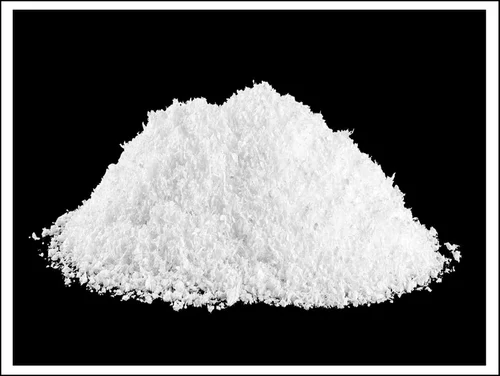
Potassium Zirconium Carbonate
Potassium Zirconium Carbonate is a water-soluble, inorganic complex of zirconium used primarily as a crosslinking agent in coating formulations, paper processing, textile printing, and adhesives. Chemically represented as a mixture containing zirconium oxide stabilized with potassium and carbonate ions, it typically appears as a clear to slightly hazy, colorless to pale yellow liquid.
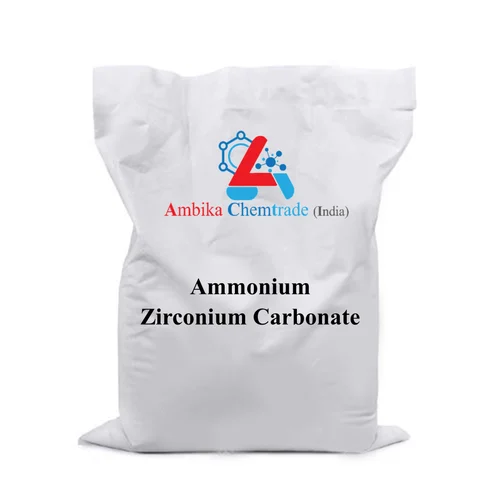
Ammonium Zirconium Carbonate
Ammonium Zirconium Carbonate (AZC) is a water-soluble, colorless to slightly hazy liquid compound containing zirconium, with the general chemical formula often represented as (NH4)2Zr(CO3)2⋅xH2O(NH₄)₂Zr(CO₃)₂·xH₂O (NH 4 ) 2 Zr(CO 3 ) 2⋅xH2O. It is primarily used as a crosslinking agent and binder in the paper, textile, and coatings industries. AZC is especially valued for its ability to enhance wet strength in paper and improve the durability of coatings and films.
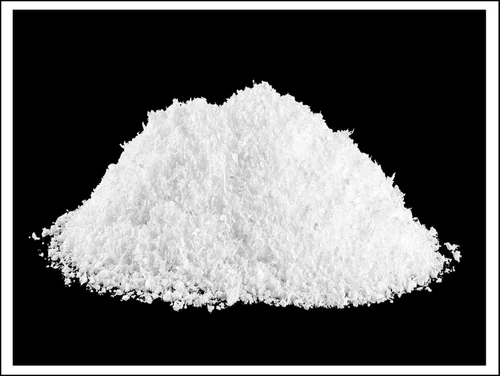
Zirconyl Chloride
Zirconyl chloride is the inorganic compound with the formula of [Zr₄(OH)₈(H₂O)₁₆]Cl₈·12H₂O, more commonly written ZrOCl₂·8H₂O, and referred to as zirconyl chloride octahydrate. It is a white solid and is the most common water-soluble derivative of zirconium.
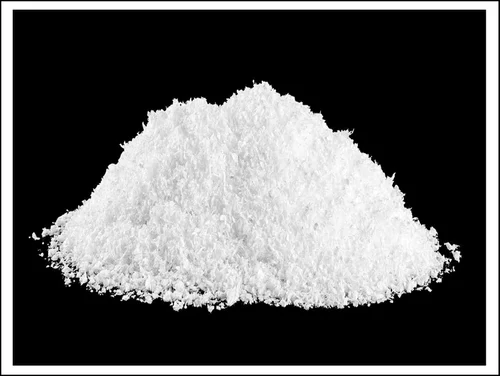
Zirconium Oxychloride
Zirconium oxychloride is an inorganic compound with the formula [ZrOCl₂·8H₂O], commonly known as zirconyl chloride octahydrate. It is a white solid and is the most common water-soluble derivative of zirconium.
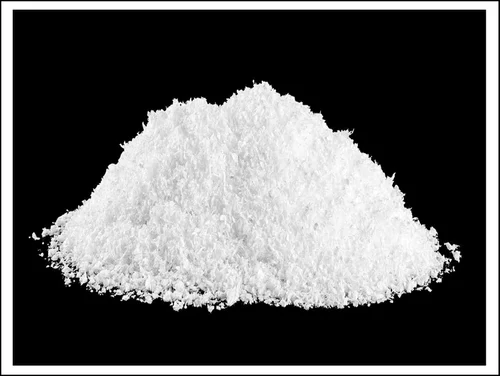
Zirconium Oxynitrate
Zirconium Oxynitrate (or Zirconyl Nitrate, ZrO(NO₃)₂·xH₂O) is a water-soluble, crystalline inorganic salt used primarily as a precursor for advanced ceramics (like CeO₂-ZrO₂ catalysts) and in coatings, textiles, and electronics, functioning as a crosslinker, drying agent, or anti-slip additive; it's valued for its solubility and as a source of zirconium in various chemical syntheses.
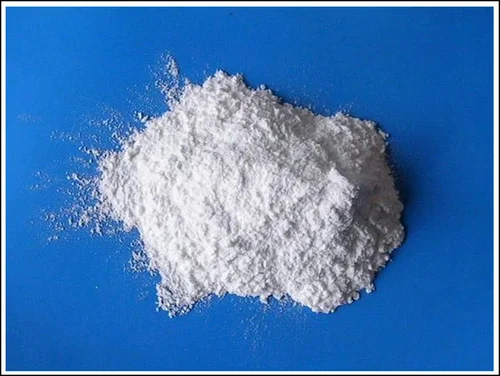
Lead Oxalate
Lead(II) Oxalate (PbC₂O₄) is a white crystalline powder that is practically insoluble in water and alcohol but soluble in strong acids. It is thermally unstable and decomposes upon heating to produce lead oxide and carbon oxides. Lead oxalate is primarily used as an intermediate in the preparation of other lead compounds, in analytical chemistry, and in laboratory research.
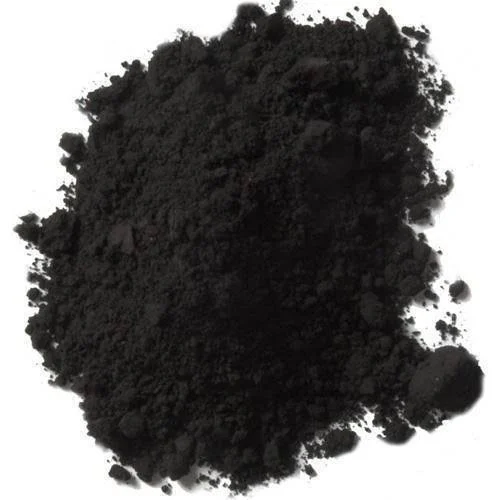
Lead Peroxide
Lead Dioxide is an inorganic compound with a high oxidation state of lead (Pb⁴⁺). It is a brown or black powder that is widely used in electrochemical applications, especially as the active material in the positive plates of lead-acid batteries. Lead Dioxide has excellent electrical conductivity and high stability, making it ideal for energy storage in batteries.
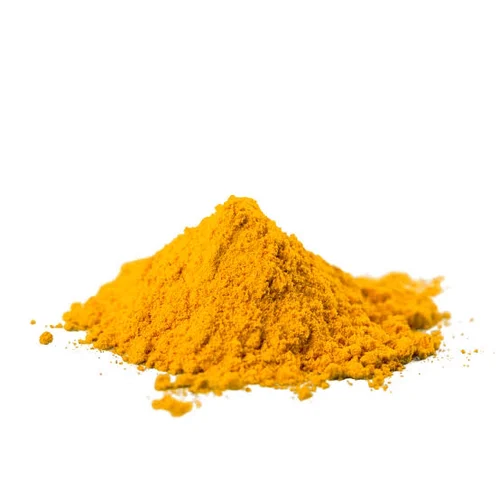
Lead Oxide
Lead Oxide (PbO) is a yellow to reddish powder used in the glass, ceramic, pigment, battery, and rubber industries. It is a key raw material for producing other lead salts and finds application as a catalyst in petroleum refining. Available in high-purity powder form with moisture-proof packaging.
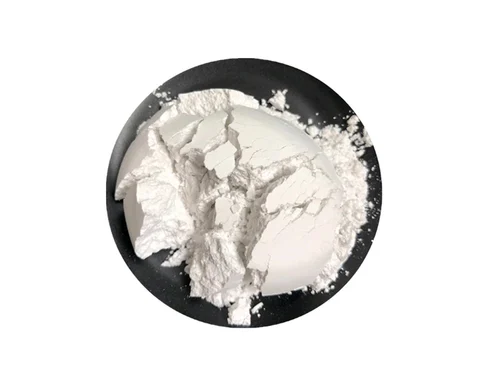
Lead Tetraacetate
Lead Tetraacetate is an organolead compound widely used as a strong oxidizing agent in organic synthesis. It is a white crystalline solid that decomposes in the presence of moisture and must be stored under dry conditions. It reacts with alcohols, alkenes, and amines to perform oxidative cleavage, dehydrogenation, and rearrangement reactions.
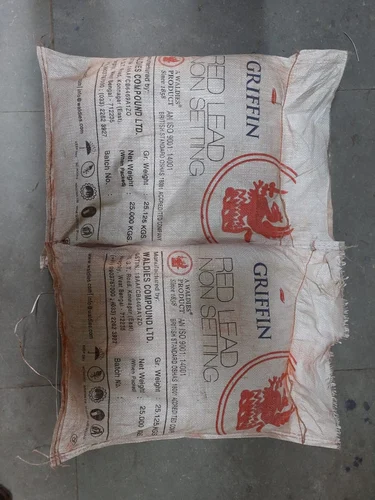
Red Lead Non Setting
Red lead non-setting is a special formulation of red lead pigment (Pb₃O₄) that remains in a soft, non-drying paste form, rather than hardening over time. This makes it useful in applications where a long-lasting, flexible, and corrosion-resistant seal or layer is needed.
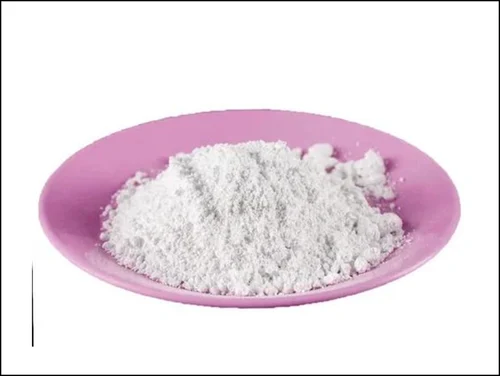
Lead Borate
Lead Borate (PbB₂O₄ / Pb₂B₄O₇) is an inorganic compound that generally appears as a white crystalline powder. It is widely used in the glass and ceramics industry for its ability to improve chemical durability, thermal stability, and optical properties.
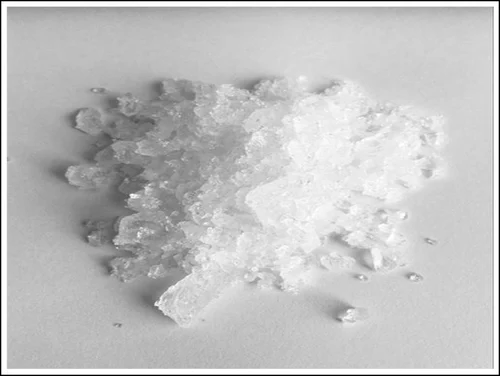
Lead Salicylate
Lead Salicylate [Pb(C7H5O3)₂] is a white to off-white crystalline powder formed by the reaction of lead with salicylic acid. It is primarily used in the pyrotechnics and explosives industry as a stabilizer and initiator due to its sensitivity to heat and friction.
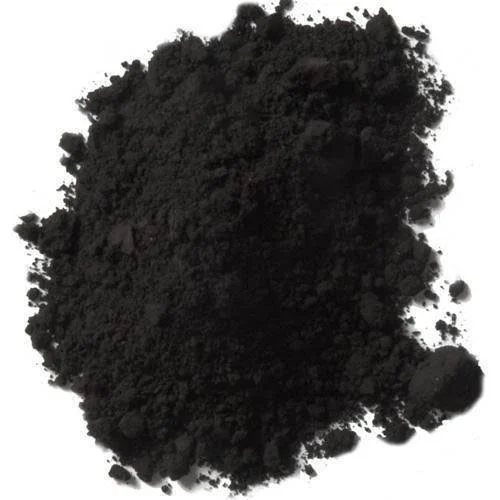
Lead Dioxide
Lead dioxide (PbO₂) is an inorganic compound consisting of lead in its +4 oxidation state. It is a powerful oxidizing agent and plays a critical role in electrochemistry, especially in lead-acid batteries. There are two major crystalline forms: α-PbO₂ and β-PbO₂, with β-PbO₂ being more stable and commonly used.
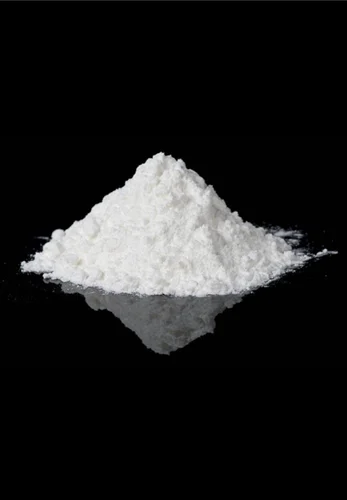
Lead Nitrate
Lead Nitrate is an inorganic compound that appears as a white crystalline solid, easily soluble in water. It is a strong oxidizing agent and a key raw material in various industrial processes. Lead Nitrate is commonly used in the manufacturing of explosives, in heat stabilizers for nylon and polyesters, as a mordant in dyeing, and in the preparation of other lead compounds.
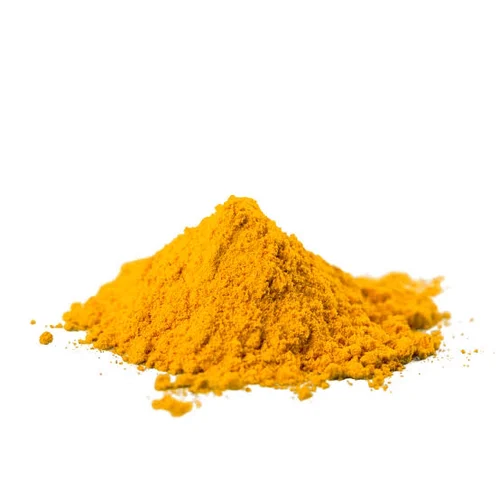
Litharge Lead Monoxide
Lead Monoxide, commonly known as Litharge, is an inorganic compound that exists in two polymorphs: red tetragonal (α-PbO) and yellow orthorhombic (β-PbO). It is widely used in various industrial applications due to its high density and reactivity with acids and bases. PbO is a key ingredient in the manufacturing of lead-based compounds, ceramics, glass, and lead-acid batteries.
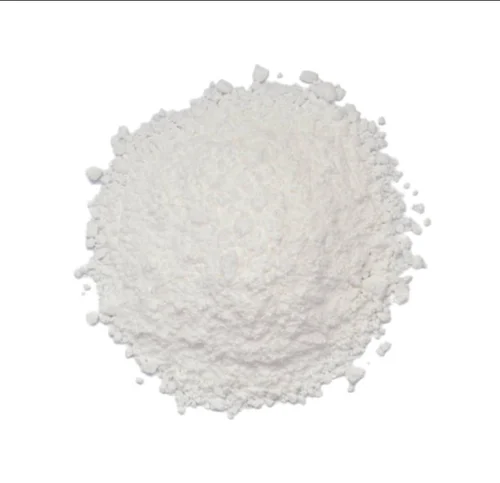
Lead Acetate Trihydrate
Lead Acetate Trihydrate is a white crystalline solid, easily soluble in water. It is used in the production of lead compounds, as a mordant in dyeing, and in the preparation of other lead-based chemicals.
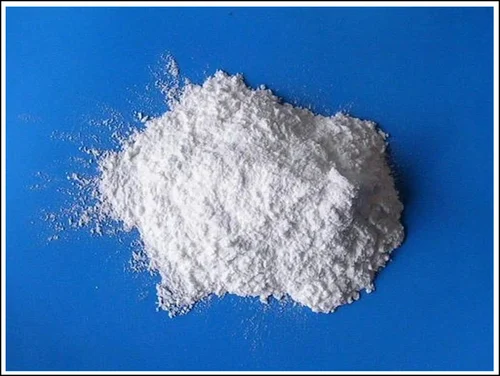
Lead Carbonate
Lead carbonate (PbCO₃) is a white or off-white inorganic compound that occurs naturally as the mineral cerussite. It is a salt of lead and carbonic acid and is poorly soluble in water but reacts with acids, releasing carbon dioxide. Historically, lead carbonate was widely used as a white pigment known as "white lead" in paints due to its excellent opacity and coverage.
Lead Bromide
Lead(II) Bromide (PbBr₂) is a white crystalline solid that is sparingly soluble in water but soluble in hot water and concentrated hydrobromic acid. It crystallizes in a tetragonal form and is known for its photosensitive nature, gradually darkening upon exposure to light.
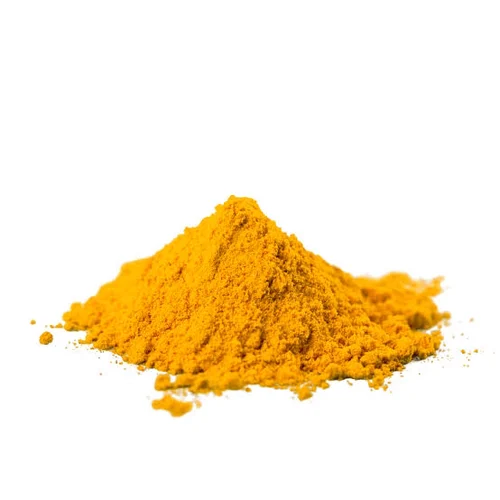
Lead Iodide
Lead(II) Iodide (PbI₂) is a bright yellow crystalline compound that is insoluble in cold water but slightly soluble in hot water. It is photosensitive, gradually decomposing upon exposure to light, and is also known for its distinctive golden-yellow hexagonal crystals.
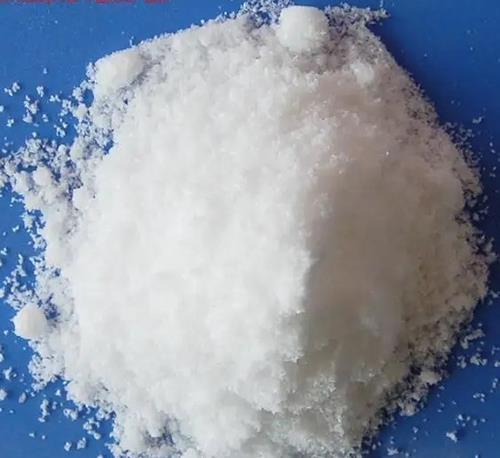
Lead Sulphate
Lead Sulphate (PbSO₄) is a white crystalline inorganic compound, insoluble in water but soluble in concentrated acids. It occurs naturally as the mineral anglesite and is widely used in the lead-acid battery industry as a key component in battery plates and electrolytic processes.
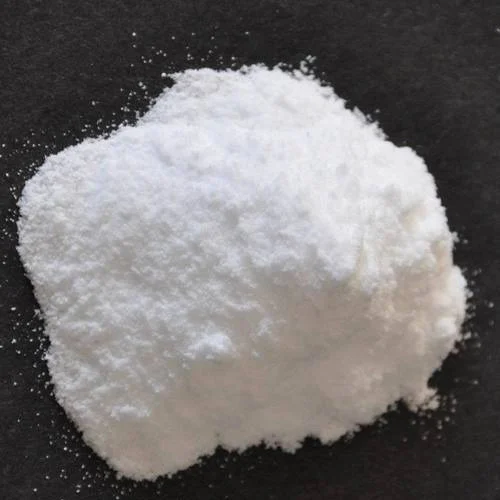
Lead Chloride
Lead(II) Chloride (PbCl₂) is a white crystalline powder or granule, sparingly soluble in cold water but more soluble in hot water. It is insoluble in alcohol but dissolves in concentrated hydrochloric acid, forming chloro-complexes. Lead chloride is primarily used in the production of lead-based pigments, in soldering fluxes, heat stabilizers for plastics, and as an intermediate in the preparation of other lead salts.
Lead Stearate
Lead Stearate is a lead salt of stearic acid, appearing as a white or off-white waxy powder. It is widely used as a heat stabilizer and lubricant in the production of plastics, particularly PVC. It also finds application as a mold release agent and in rubber manufacturing.
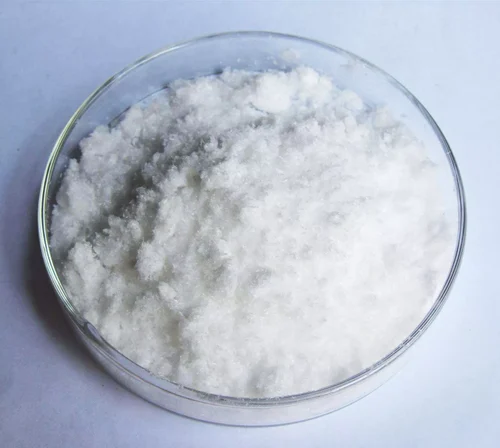
Lead Fluoborate
Lead Fluoroborate is a lead salt of fluoroboric acid, typically available as an aqueous solution. It is primarily used in electroplating baths for lead plating, offering excellent current efficiency and uniform coating properties. It is valued in the surface finishing industry for applications requiring smooth, dense, and corrosion-resistant lead deposits.
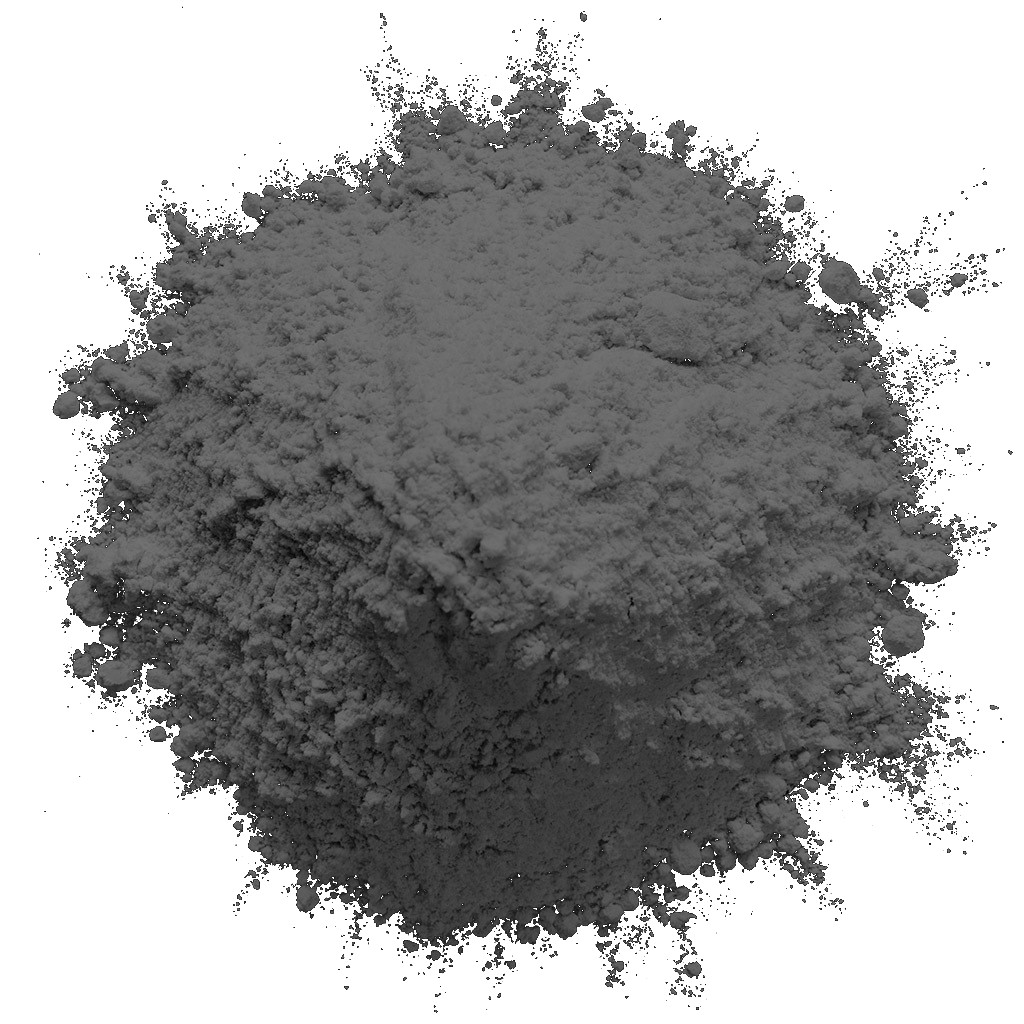
Grey Lead Oxide
Grey Lead Oxide is a specially processed form of Lead Monoxide (PbO), widely used in the manufacture of lead-acid batteries. Unlike yellow litharge, grey oxide has a porous structure and a high surface area, making it ideal for battery plate formation.